
OmniRogue
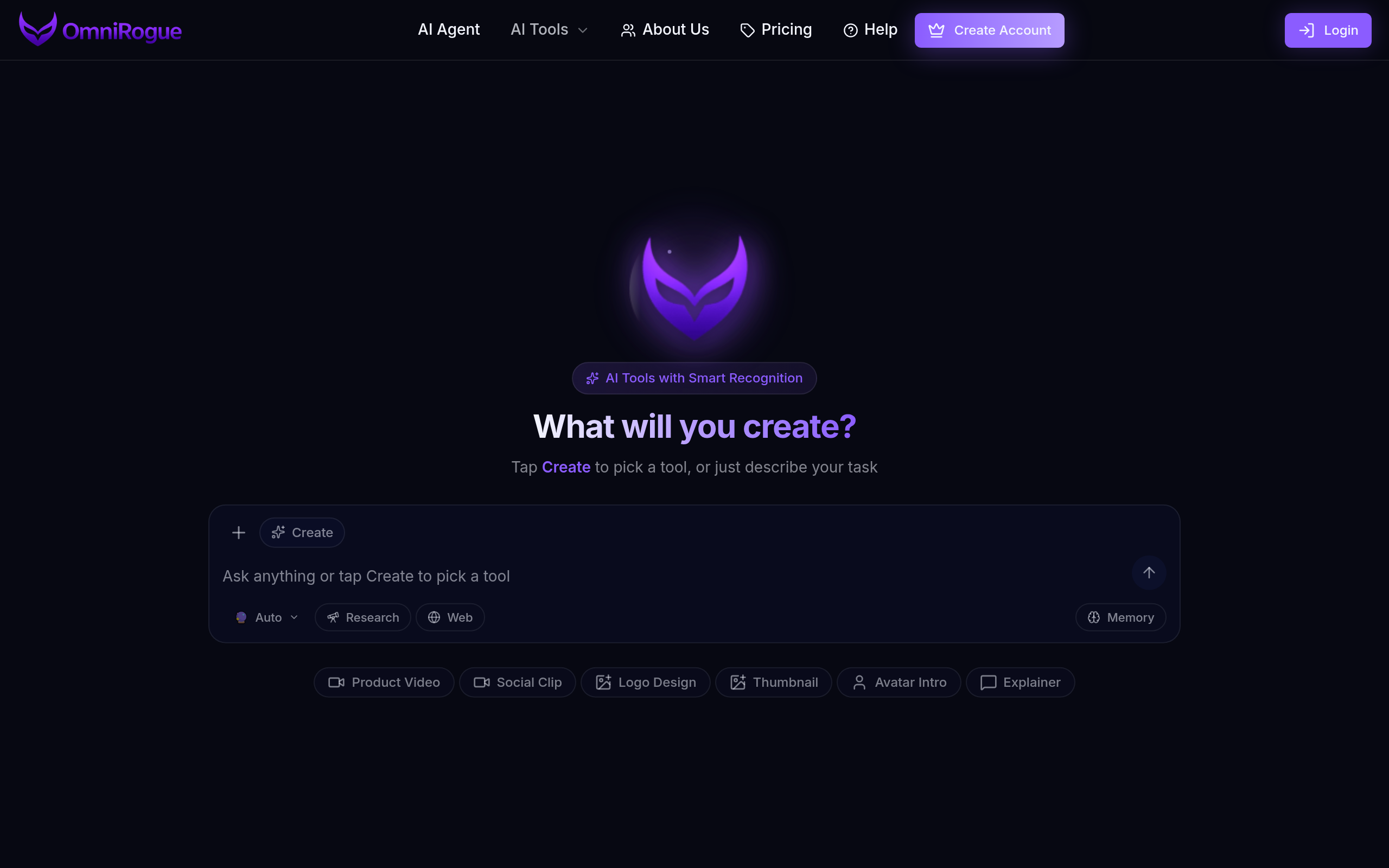
OmniRogue is a data privacy–first AI platform for building and deploying AI agents that automate work across teams—without sacrificing control of your
About
OmniRogue is a data privacy–first AI platform that helps teams build, orchestrate, and deploy AI agents to automate real business workflows. It’s designed for organizations that want the power of modern AI without handing over sensitive data or losing operational control. With OmniRogue, you can connect tools, create multi-step agent workflows, and standardize how AI is used across your company—while maintaining privacy, governance, and clear ownership over your data. Whether you’re automating internal processes, customer operations, or knowledge workflows, OmniRogue provides a secure foundation to scale AI responsibly.
Key Features
Privacy-first Data Controls
End-to-end data protection with configurable data residency, encryption, and policies so agents can run without exposing sensitive information. Includes audit logs and clear data ownership controls.
Visual Agent Builder
No-code/low-code interface to design multi-step AI agents and orchestrations with reusable components, templates, and branching logic for real business workflows.
Connectors & Integrations
Prebuilt connectors to common tools and systems (CRMs, ticketing, Slack, email, databases, document stores) so agents can read, write, and act across your stack securely.
Governance, Monitoring & Versioning
Centralized governance features including role-based access, approval flows, version control, monitoring, retry policies, and audit trails for safe, observable deployments.
How to Use OmniRogue
1) Create an account and set up a secure workspace; configure privacy and access policies for your organization. 2) Connect the tools and data sources your teams use (CRM, ticketing, Slack/email, document storage) via the platform's connectors. 3) Use the visual agent builder or a template to assemble a multi-step agent workflow (define triggers, steps, branching and data handling). 4) Test the agent in a sandbox, enable governance approvals if needed, then deploy and monitor the agent in production with logs and performance dashboards.